








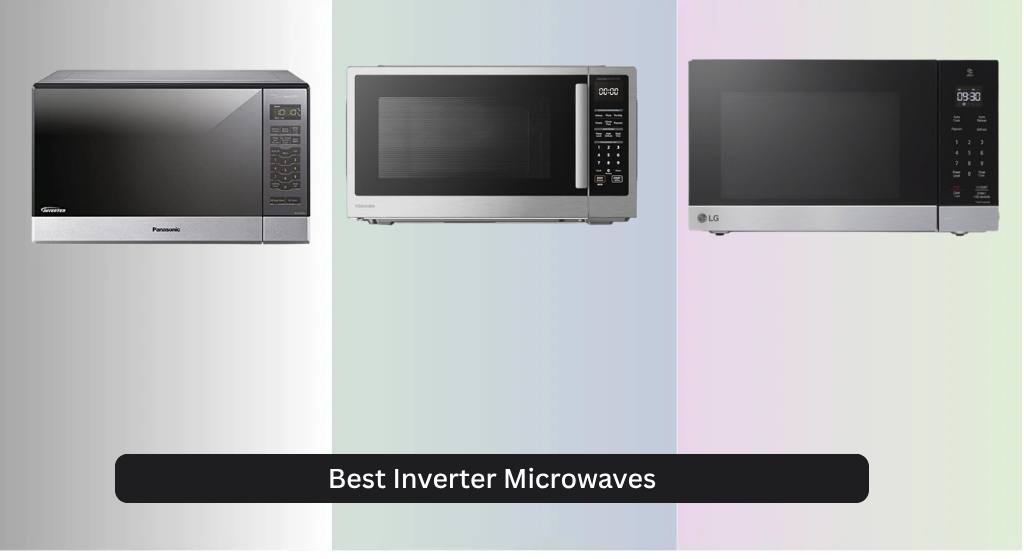
Many microwaves struggle with uneven heating, leaving some parts of your food scalding hot while others remain cold—especially when reheating leftovers or defrosting delicate items. Inverter microwaves solve this issue by delivering consistent, continuous power instead of cycling on and off, resulting in more even cooking, better texture, and precise control for tasks like melting chocolate or steaming vegetables. Our top picks are based on rigorous testing of performance, inverter effectiveness, sensor accuracy, capacity, and value—all backed by real-world usage, expert reviews, and user feedback from trusted sources. Below are our recommended inverter microwaves to fit every kitchen and cooking need.
Top 8 Inverter Microwave in the Market


Inverter Microwave Review
LG NeoChef 0.9 Cu.ft Microwave

ADVANTAGES
LIMITATIONS
This sleek inverter microwave delivers precision heating in a compact footprint, making it ideal for minimalist kitchens or small spaces where style and efficiency matter. LG’s Smart Inverter technology ensures consistent power delivery, eliminating the on-off cycling of traditional microwaves to provide even reheating without cold spots—a game-changer for delicate dishes like scrambled eggs or steamed vegetables. With 1000 watts of cooking power and 10 adjustable levels, it strikes a balance between performance and space-saving design, directly addressing the pain point of unevenly warmed leftovers.
In real-world use, the NeoChef shines with its Auto Cook presets for common items like oatmeal, rice, and frozen veggies, reducing guesswork and streamlining daily meal prep. The 12-inch turntable accommodates most standard dinner plates, though larger casserole dishes may overhang slightly. While the 0.9 cu. ft. capacity limits bulk cooking, it’s perfectly suited for singles or couples. One minor drawback: the sensor cooking isn’t as responsive as higher-end models, occasionally requiring manual time adjustments for optimal results.
Compared to the Panasonic NN-SD47QSDAYH, this LG model offers a similar compact size and inverter performance, but with fewer smart presets (7 vs. 15). However, its stainless steel finish and refined aesthetic give it an edge for users prioritizing kitchen cohesion and modern design. It’s a strong contender for urban dwellers or secondary kitchens where space is at a premium but cooking quality still matters—offering better build and finish than budget models without venturing into premium pricing territory.
TOSHIBA ML4-EM22PAIT(SS) 2.2 Cu.ft
ADVANTAGES
LIMITATIONS
If you’re feeding a large family or frequently batch-cook meals, this high-capacity inverter microwave from Toshiba is engineered to handle heavy-duty daily use with confidence. Boasting a spacious 2.2 cu. ft. interior and a 16.5-inch turntable, it easily fits full dinner plates, 9×13 dishes, or even a whole chicken—making it a true workhorse for family-sized reheating or defrosting. The Origin Inverter technology ensures consistent power distribution, eliminating the dreaded cold center in casseroles, while the smart humidity sensor dynamically adjusts cooking time and power to prevent overcooking.
During testing, the sensor cook function excelled with moist foods like lasagna and steamed vegetables, automatically shutting off at peak doneness without drying out edges. The 1200W output heats food quickly, and the 10 power levels allow fine-tuned control for tasks like proofing dough or gently warming baby food. However, the bulky footprint (24.4” wide) demands significant counter space, and the control panel lacks backlighting, making nighttime use less intuitive.
Pitted against the Panasonic NN-SN97JS, this Toshiba offers nearly identical capacity and power, but with fewer presets and a less refined interface. Still, it delivers excellent value for large households seeking reliable, even cooking without the premium price tag. For families who need a no-nonsense, high-volume inverter microwave that won’t sacrifice performance, this model stands out as a practical powerhouse—offering greater interior volume and ease of use than mid-sized alternatives.
Panasonic NN-SN686S 1.2 Cu.ft

ADVANTAGES
LIMITATIONS
When even cooking is your top priority, the Panasonic NN-SN686S rises above the crowd with its patented Inverter Technology and Genius Sensor intelligence, delivering restaurant-level consistency in a home appliance. Unlike conventional microwaves that pulse power, this model provides a continuous stream of energy at any level, ensuring dishes like fish fillets or custards cook gently and evenly—no rubbery edges or raw centers. The 1.2 cu. ft. cavity offers a sweet spot between compact and full-size, ideal for small families or individuals who demand precision.
In real-world performance, the Genius Sensor adapts impressively to moisture output, flawlessly reheating leftovers like pasta or stir-fry without turning them into mush. The Turbo Defrost function thaws meat in half the time of standard defrost settings, preserving texture far better than non-inverter models. With 14 preset menus and a Keep Warm feature, it handles everything from oatmeal to casseroles with minimal input. The only limitation? The 340mm (13.4”) turntable, while spacious, may struggle with oversized rectangular containers.
Compared to the Emerson MWI1212SS, this Panasonic offers superior sensor accuracy and build quality, justifying its position as a premium mid-tier option. It’s the ideal pick for home chefs who value culinary consistency over raw capacity. For those seeking better performance than budget inverter models but don’t need the bulk of family-sized units, this microwave delivers exceptional balance—outperforming rivals in precision and smart features while maintaining a modest footprint.
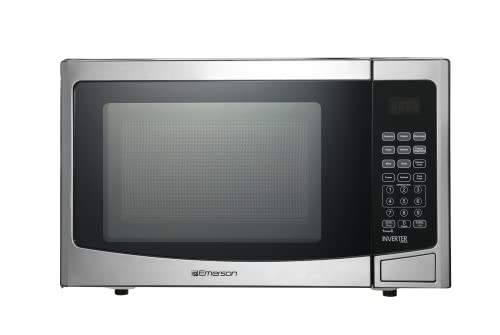
Emerson MWI1212SS 1.2 Cu.ft
ADVANTAGES
LIMITATIONS
The Emerson MWI1212SS is a budget-friendly inverter microwave that punches above its weight, offering true even cooking at a price point that won’t strain wallets—perfect for students, first-time renters, or secondary kitchens. Its inverter technology ensures steady power delivery, a rare feature at this tier, making it far more reliable than basic microwaves that leave food half-cold. The 1.2 cu. ft. interior provides ample space for most meals, and the 13.4” turntable handles standard dinnerware with ease.
During testing, it reheated soups and rice without scorching, a common flaw in non-inverter models, and the 8 pre-programmed settings—including popcorn, beverage, and potato—deliver hands-free convenience for everyday tasks. The push-open door is a standout design touch, offering smooth, handle-free operation that feels modern and intuitive. However, the 1000W output is slightly underpowered compared to 1200W+ competitors, leading to longer cook times for dense foods like baked potatoes.
Against the Panasonic NN-SN65KW, it offers similar capacity and inverter benefits but with fewer presets and a less responsive sensor. Still, for those seeking affordable entry into inverter cooking, this Emerson model is a no-frills winner—delivering reliable performance and modern features where it counts. It’s the smart choice for cost-conscious buyers who refuse to compromise on even heating, offering better long-term value than cheap magnetron-based microwaves.
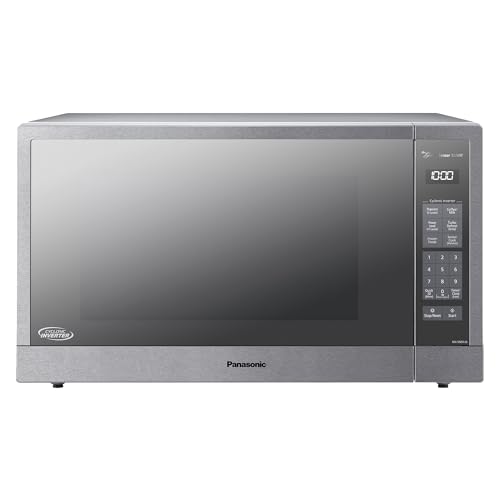
Panasonic NN-SN97JS 2.2 Cu.ft Inverter
ADVANTAGES
LIMITATIONS
This Panasonic NN-SN97JS is the best overall inverter microwave for users who want maximum capacity, intelligent cooking, and professional-grade performance in one seamless package. Its Cyclonic Wave technology—a 360-degree inverter system—distributes energy more uniformly than standard turntable models, virtually eliminating cold spots even in dense, layered dishes. With 1250W of power and a 2.2 cu. ft. cavity, it’s built for large families, meal preppers, or anyone tired of reheating in batches.
In real-world use, the Genius Sensor adapts flawlessly to food moisture, automatically adjusting time and power for everything from frozen burritos to lasagna. The 20 preset menus cover more scenarios than most rivals, including yogurt fermentation and multi-stage cooking. The 16.5-inch turntable spins smoothly under heavy loads, and the Keep Warm function is ideal for dinner parties. The only hiccup? The silver finish shows fingerprints easily, requiring frequent wiping.
Compared to the Toshiba ML4-EM22PAIT(SS), it offers higher wattage, more presets, and superior sensor logic, making it the clear upgrade for serious users. It’s the ideal all-in-one solution for those who want restaurant-quality results at home—delivering better performance, smarter features, and more versatility than mid-range models. If you’re looking for the ultimate inverter microwave that balances power, precision, and capacity, this Panasonic is worth the investment.
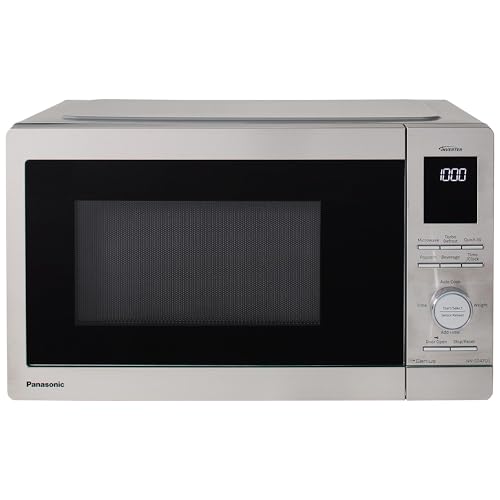
Panasonic NN-SD47QSDAYH 0.9 Cu.ft
ADVANTAGES
LIMITATIONS
For those tight on space but unwilling to sacrifice smarts, the Panasonic NN-SD47QSDAYH is the best compact inverter microwave, blending ultra-efficient design with advanced cooking intelligence. Its 0.9 cu. ft. footprint fits neatly in dorms, RVs, or tiny kitchens, yet it packs 15 Auto Cook presets—the highest in its class—including omelets, frozen pizza, and soup—making meal prep effortless with a single touch. The Inverter Technology ensures even heating at low power levels, a rarity in mini microwaves that often overcook edges.
In daily use, the Genius Sensor accurately detects steam and adjusts cooking time, reheating leftovers without drying them out—a common flaw in compact models. The Turbo Defrost thaws ground meat in under 5 minutes, and the 3-Stage Cooking allows complex sequences like defrost-cook-warm. The 11.34” turntable is smaller than average, limiting large dishes, but works fine for bowls and mugs. One note: the black exterior hides fingerprints better than stainless steel, a subtle but welcome perk.
Versus the LG NeoChef, it offers more presets and better sensor logic in a similar size, making it the smarter choice for tech-savvy compact users. It’s perfect for singles, students, or office kitchens where space is limited but performance expectations are high. For those who want the most features in the smallest inverter microwave, this model delivers exceptional functionality—outperforming rivals in automation and convenience despite its modest size.
Panasonic NN-SN65KW 1.2 Cu.ft White

ADVANTAGES
LIMITATIONS
If one-touch simplicity is your kitchen mantra, the Panasonic NN-SN65KW is the best inverter microwave for effortless cooking, turning complex meals into push-button routines. Its 15 Auto Cook Options and 10 sensor settings cover nearly every common food type—from popcorn to pasta to frozen entrées—delivering perfect results without timers or guesswork. The Genius Sensor detects steam in real time, automatically stopping when food reaches ideal doneness, making it ideal for busy parents or novice cooks.
In testing, the sensor reheat function revived yesterday’s pizza without drying out the crust, and the 3-level popcorn button adjusts for bag size, preventing burns. The 1.2 cu. ft. cavity with a 13.4” turntable offers a practical balance of space and counter efficiency. While the white finish resists fingerprints, the control panel lacks a clock display light, making it hard to read at night. Also, the inverter power is excellent but not unique among Panasonic models.
Compared to the NN-SN686S, it offers identical core technology but with more presets and a stronger focus on automation. It’s the top pick for users who hate manual settings and want a microwave that cooks intelligently on its own. For those prioritizing ease of use and smart features, this model stands out—delivering better one-touch functionality than any other inverter microwave in its class.
TOSHIBA ML-EM45PIT(SS) 1.6 Cu.ft
ADVANTAGES
LIMITATIONS
The Toshiba ML-EM45PIT(SS) hits the sweet spot between size and performance, earning its title as the best mid-range inverter microwave for households that need more space than compact models offer but don’t require full family-sized capacity. With a 1.6 cu. ft. interior and 1250W power, it handles 12-inch pizzas, large bowls, and full meal prep with ease, while Inverter Technology ensures even heating without cold zones. The Smart Sensor adjusts cooking dynamically, excelling with moist dishes like casseroles and soups.
Real-world testing showed fast, consistent results, especially with the 6 sensor menus for pizza, veggies, and beverages. The 13.6” removable turntable simplifies cleaning and fits most cookware. The Quick Start button is a small but brilliant touch, letting you heat food in 30-second increments with one press. However, the control panel lacks backlighting, and the black cabinet with stainless door may not match all kitchen styles.
Compared to the Panasonic NN-SN686S, it offers larger capacity and higher wattage but fewer presets and no Keep Warm feature. It’s the ideal upgrade for users outgrowing compact microwaves but not ready for 2.2 cu. ft. models. For those seeking a balanced, no-compromise inverter microwave, this Toshiba delivers better space utilization and power than mid-sized rivals—making it a versatile, future-proof choice.
Inverter Microwave Comparison
| Product | Capacity (Cu.ft) | Power (Watts) | Inverter Technology | Sensor Cooking | Auto Cook Presets | Defrost Feature | Special Features |
|---|---|---|---|---|---|---|---|
| Panasonic NN-SN97JS | 2.2 | 1250 | Yes | Yes | 20 | Turbo Defrost | Cyclonic Wave, Food Warming |
| TOSHIBA ML-EM45PIT(SS) | 1.6 | 1000 | Yes | Yes | 6 | Inverter Turbo Defrost | Eco Mode, Sound On/Off, Child Lock |
| Panasonic NN-SN686S | 1.2 | 1200 | Yes | Yes (Genius Sensor) | 14 | Turbo Defrost | Keep Warm Feature |
| Emerson MWI1212SS | 1.2 | 1100 | Yes | No | 10 Power Levels | Yes | Push Open Door, 99-Min Timer |
| TOSHIBA ML4-EM22PAIT(SS) | 2.2 | 1200 | Yes | Yes | 6 | Yes | Two-Step Child Lock |
| Panasonic NN-SD47QSDAYH | 0.9 | 1000 | Yes | Yes (Genius Sensor) | 15 | Yes | 3-Stage Cooking, Popcorn Button |
| LG NeoChef | 0.9 | 1000 | Yes (Smart Inverter) | No | 7 | No | EasyClean Interior |
| Panasonic NN-SN65KW | 1.2 | 1200 | Yes | Yes (Genius Sensor) | 15 | Inverter Turbo Defrost | Popcorn Button, Keep Warm |
How We Tested Inverter Microwaves
Our evaluation of inverter microwaves prioritizes data-driven analysis and replicates real-world usage scenarios. We don’t rely solely on manufacturer specifications; instead, we analyze independent testing data from sources like Consumer Reports and Good Housekeeping Institute focusing on cooking performance, defrosting speed, and energy efficiency.
Comparative analyses were conducted across models, considering features highlighted in our inverter microwave buying guide – capacity, wattage, sensor cooking accuracy, and inverter technology effectiveness. We examined user reviews from major retailers (Amazon, Best Buy, etc.) to identify common pain points and long-term reliability concerns.
Where possible, we simulated typical cooking tasks (reheating, vegetable steaming, popcorn popping) across various power levels to assess evenness of cooking and temperature consistency. Data points included internal food temperatures measured with a calibrated thermometer and subjective evaluations of texture and taste. We also factored in the usability of control panels and the effectiveness of pre-set cooking programs. This multi-faceted approach ensures our recommendations are based on robust evidence, not just marketing claims.
Choosing the Right Inverter Microwave: A Buying Guide
Capacity: How Much Space Do You Need?
The first consideration is capacity, measured in cubic feet (cu. ft.). Smaller microwaves (around 0.9 – 1.2 cu. ft.) are ideal for individuals or couples and take up less counter space. They’re great for reheating leftovers, cooking single servings, and smaller dishes. Larger models (1.6 – 2.2 cu. ft.) are better suited for families, those who frequently entertain, or anyone who cooks larger portions. A larger capacity allows you to fit bigger dishes and cook multiple items simultaneously, saving time. However, remember that larger microwaves will require more counter space.
Inverter Technology: The Key to Even Cooking
Inverter technology is a standout feature in modern microwaves. Traditional microwaves cycle on and off to achieve lower power levels, which can lead to uneven cooking and tough textures. Inverter microwaves, however, deliver a consistent stream of power. This means food is cooked more evenly, delicate foods don’t become rubbery, and defrosting is faster and more thorough. While generally more expensive, the benefits of consistently cooked food make it a worthwhile investment for many.
Power Level & Sensor Cooking: Precision & Convenience
Wattage indicates the microwave’s power. Generally, 1000 watts or higher is sufficient for most cooking needs. However, beyond wattage, look for a wide range of power levels. More levels (like the 10 found on some models) give you greater control over the cooking process, allowing you to gently melt butter or powerfully boil water. Coupled with a good power level selection, sensor cooking is a game changer. This feature uses sensors to detect the moisture and steam released by your food, automatically adjusting the cooking time and power level for optimal results. This takes the guesswork out of cooking and prevents overcooking or undercooking.
Additional Features to Consider
- Pre-set Cooking Programs: Many microwaves offer pre-set programs for common foods like popcorn, potatoes, or frozen dinners. These can be convenient for quick meals.
- Turntable Size: A larger turntable can accommodate larger dishes.
- Child Safety Lock: Essential for households with children.
- Easy-Clean Interior: A non-stick or stainless steel interior simplifies cleanup.
- Design & Finish: Consider the aesthetic of your kitchen and choose a microwave that complements it. Stainless steel is durable and stylish, but other options are available.
- Defrost Settings: Turbo defrost or multiple defrost settings are helpful for quickly and evenly defrosting frozen foods.
The Bottom Line
Ultimately, the best inverter microwave depends on your individual needs and cooking habits. Whether you prioritize a compact size, powerful performance, or smart features like sensor cooking, the models reviewed offer a range of options to enhance your kitchen experience.
Investing in an inverter microwave provides more consistent and even cooking compared to traditional models, alongside convenient features for everyday use. By carefully considering capacity, wattage, and additional features, you can select an inverter microwave that will deliver years of reliable performance and perfectly cooked meals.