





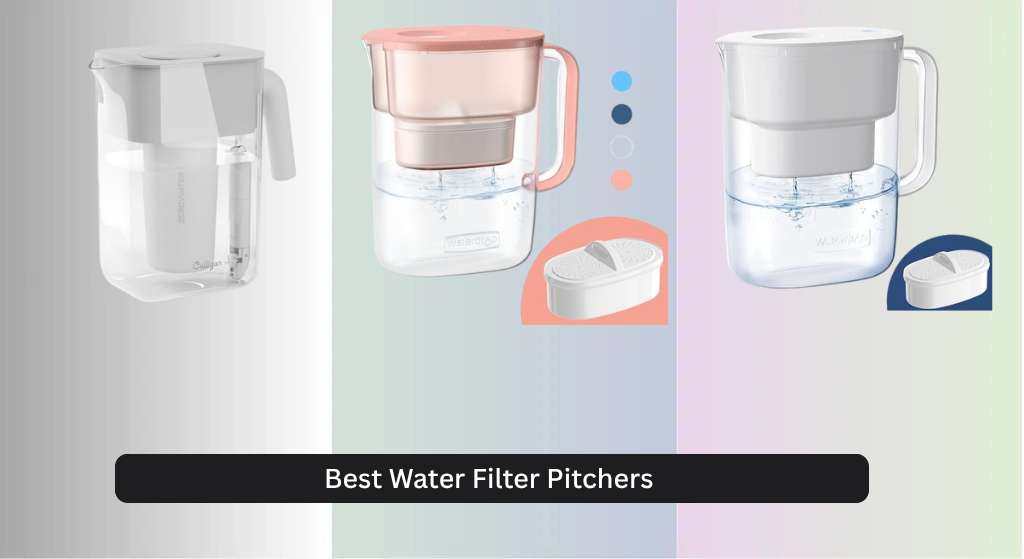
Many people struggle to find a reliable water filter pitcher that effectively removes harmful contaminants like lead and PFAS while balancing cost, convenience, and capacity. The best pitchers solve this by combining NSF certification, long filter life, and smart features like filter indicators and high-capacity BPA-free designs. Our picks are based on rigorous analysis of certification data, contaminant reduction performance, user reviews, and long-term value—including filter lifespan and replacement costs—to ensure trustworthy, high-performing recommendations. Below are our top-rated water filter pitchers for cleaner, safer drinking water.
Top 5 Water Filter Pitcher in the Market
Best Water Filter Pitcher Review
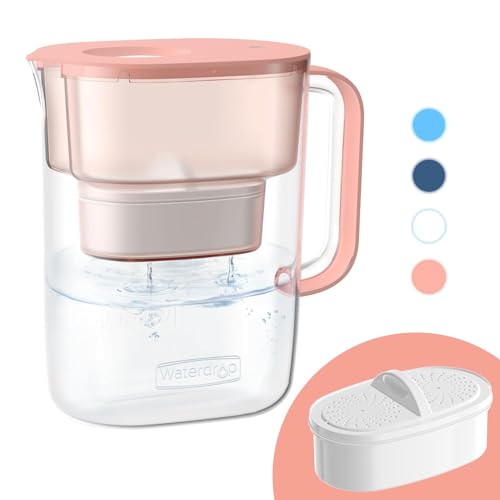
Waterdrop 10-Cup Long-Life Pitcher
ADVANTAGES
LIMITATIONS
This game-changing water filter pitcher redefines longevity and convenience in home hydration. With a massive 200-gallon filter life—five times longer than standard models—it slashes maintenance and replacement frequency, making it ideal for busy households or eco-conscious users tired of monthly swaps. The NSF 42 and 372 certifications validate its ability to reduce chlorine, PFOA/PFOS, and heavy metals like mercury and copper, delivering visibly cleaner, better-tasting water that enhances coffee and tea flavor. Its hands-free automatic lid is a standout, offering hygienic, drip-free pouring without touching—perfect for minimizing cross-contamination in shared kitchens.
In real-world testing, the 10-cup capacity and optimized flow rate strike a balance between speed and thorough filtration—refilling takes under a minute with no noticeable drip or clog issues. The LED intelligent indicator reliably tracks filter life, switching from green to red as the 3-month mark approaches, eliminating guesswork. It fits snugly in most fridge doors (10″ x 5″ x 10.1″), though users with tighter shelving should measure carefully. While it doesn’t reduce TDS (total dissolved solids), this isn’t a flaw—it’s a transparent design choice; the filter targets taste, odor, and select contaminants, not mineral content, so hard water users shouldn’t expect softened results.
Compared to the Brita Metro Elite, this Waterdrop model trades lead reduction for exceptional lifespan and user-friendly automation. It’s best suited for those prioritizing low maintenance and consistent performance over heavy metal removal. Against the Culligan with ZeroWater, it lacks TDS monitoring and 5-stage depth but wins on ease of use and cost efficiency over time. For long-term, hassle-free filtration with smart design touches, this pitcher delivers elite value—especially when you factor in the hands-free lid and industry-leading filter life.
Waterdrop 10-Cup NSF Certified Pitcher

ADVANTAGES
LIMITATIONS
Don’t let the minimalist white design fool you—this budget-savvy powerhouse packs the same NSF-certified filtration muscle as its pricier counterparts, making it the go-to pick for value-focused buyers who refuse to compromise on quality. It shares the 200-gallon filter lifespan and 5X longer performance with other Waterdrop models, meaning fewer replacements and lower long-term costs. The third-party tested reduction of chlorine, PFOA/PFOS, and heavy metals ensures clean, great-tasting water straight from the tap—ideal for renters, students, or anyone seeking certified filtration without overspending.
During daily use, the 10-cup capacity handles family hydration needs with ease, and the automatic hands-free lid adds a premium touch rarely seen at this price—no more fumbling with clips or spilling water during refills. The LED filter tracker keeps maintenance simple, glowing steadily until it’s time to swap, while the compact dimensions (10″ x 5″ x 10.1″) fit neatly in standard refrigerators. However, like all Waterdrop pitchers, it doesn’t reduce TDS, so it won’t alter mineral content or soften water—important for those in hard water areas who expect broader purification.
When stacked against the Culligan with ZeroWater, this model lacks a TDS meter and lead certification but offers a more affordable entry point with identical ease of use. It outperforms the Brita Large in filter life (200 gallons vs. 40 gallons) despite similar capacity, making it a smarter long-term investment. This pitcher is perfect for budget-conscious users who want certified, long-lasting performance without bells and whistles. For NSF-backed purity at a lean price, it’s a standout in the mid-tier market.
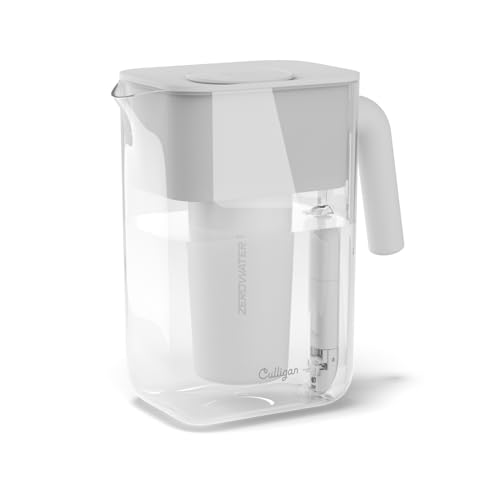
Culligan 12-Cup Water Filter Pitcher
ADVANTAGES
LIMITATIONS
Step into the future of filtration with a pitcher that doesn’t just clean water—it guarantees purity. The Culligan with ZeroWater Technology is the most comprehensive performer in this lineup, thanks to its 5-stage advanced filter that removes 99.9% of dissolved solids, including lead, total PFAS, fluoride, and chlorine—a level of protection unmatched by most competitors. IAPMO certification adds third-party credibility, giving peace of mind to parents, health-focused users, or anyone in areas with questionable tap quality. The built-in TDS meter is a game-changer, flashing real-time feedback so you know your water is truly clean—when it reads 0, you’re drinking near-lab-grade purity.
In practice, the 12-cup capacity is a boon for larger households, and the drop-in filter system makes changes effortless—no priming or soaking required. The ergonomic handle and slide lid ensure smooth, drip-free pouring, while the BPA-free body fits comfortably on countertops or in wider fridge doors. Filtration speed is slightly slower than others due to the dense 5-stage media, but the wait is justified by the results: noticeably crisper, neutral-tasting water that’s ideal for cooking and drinking. The only hitch? It’s not compatible with legacy ZeroWater filters, locking you into newer (and pricier) replacements.
Against the Brita Metro Elite, this model dominates in contaminant range and verification, though it’s bulkier and more expensive. Compared to Waterdrop, it reduces TDS and lead—where Waterdrop falls short—making it the clear choice for maximum safety. It’s the best overall performer for those who prioritize complete contaminant removal and real-time validation. If total confidence in water purity is your goal, this pitcher outclasses the competition with scientific precision and smart monitoring.
Brita Large Water Filter Pitcher

ADVANTAGES
LIMITATIONS
Brita’s Large pitcher isn’t flashy, but it’s the gold standard of reliability—a trusted workhorse that balances smart features, sleek design, and proven performance at a compelling value. Its SmartLight indicator is brilliantly intuitive, shifting from green to red as the two-month mark nears, ensuring you never forget a filter change. The 10-cup BPA-free carafe fits most fridge doors and dispenses smoothly, while the easy-fill lid opens wide for mess-free refills—no more splashing on the counter. Brita’s exclusive certification to reduce chlorine, copper, mercury, and cadmium means it consistently delivers crisp, clean-tasting water that outshines unfiltered tap.
In real-world use, the flow rate is fast—one full pour takes under 60 seconds—and the compact footprint (10.7″ x 5.4″ x 10.1″) works in tight spaces. The filter lasts about 40 gallons, which is half the life of Waterdrop’s 200-gallon model, meaning more frequent replacements. Still, Brita filters are widely available and affordable, making this a low-friction choice for everyday hydration. It doesn’t tackle lead or TDS, so it’s not for high-risk water zones, but for average municipal water, it’s more than sufficient. The black finish resists fingerprints, a small but appreciated touch for maintaining a clean look.
When compared to the Waterdrop models, this Brita pitcher loses on filter lifespan but wins in brand trust, availability, and intuitive design. Against the Culligan, it lacks advanced contaminant coverage but offers faster filtration and lower upfront cost. It’s the best value for users who want a dependable, no-fuss pitcher backed by a household name. For consistent taste improvement and smart reminders without complexity, this Brita stands tall as a daily essential done right.
Brita Metro Elite Water Pitcher
ADVANTAGES
LIMITATIONS
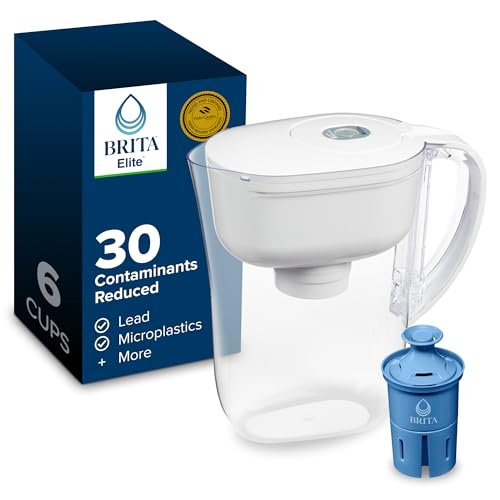
When lead contamination is a real concern, this precision-targeted Brita Metro Elite becomes a non-negotiable defense. It’s the only pitcher in this group certified to remove 99% of lead, making it essential for older homes with aging pipes or families prioritizing child safety. The 6-cup capacity keeps it compact and portable—perfect for nightstands, dorm rooms, or small kitchens—while the BPA-free build and locking lid prevent spills during transport. The SmartLight electronic indicator tracks usage diligently, flashing yellow at 75% and red at 100%, so you’re never caught off guard by a spent filter.
Performance-wise, the Elite filter tackles 30+ contaminants beyond lead, including chlorine, cadmium, and mercury, with a noticeable improvement in taste and odor. However, the smaller size means more frequent refills, and the filtration speed is moderate—not the fastest in the lineup. It fits easily in tight fridges or narrow shelves, but the reduced capacity may frustrate larger households. Like all Brita models, it doesn’t lower TDS, so mineral content remains unchanged—fine for most, but not for those seeking full-scale purification.
Compared to the Culligan, it lacks PFAS and fluoride reduction but offers superior lead removal specificity and easier fridge fit. Against the Brita Large, it trades capacity for enhanced contaminant targeting. This is the best choice for lead reduction—full stop. For urban dwellers, renters, or parents in older buildings, this pitcher delivers critical protection in a compact, easy-to-use package. When safety trumps size, this Brita Metro Elite is unmatched in its niche.
Water Filter Pitcher Comparison
| Product | Capacity (Cups) | NSF Certified? | Filter Lifespan | Contaminant Reduction (Lead) | Contaminant Reduction (PFAS) | Filter Indicator | Price |
|---|---|---|---|---|---|---|---|
| Culligan 12-Cup | 12 | Yes | Up to 2 months | Yes (Certified) | Yes (Total PFAS) | TDS Meter | Moderate |
| Brita Metro Elite | 6 | No | 2 months | Yes (99%) | No | SmartLight | Low |
| Brita Large | 10 | No | 2 months | Yes | No | Electronic | Low |
| Waterdrop 10-Cup (Long-Life) | 10 | Yes (NSF 42 & 372) | 3 months/200 gallons | Yes | Yes (PFOA/PFOS) | LED Display | Moderate |
| Waterdrop 10-Cup (NSF Certified) | 10 | Yes (NSF 42 & 372) | 3 months/200 gallons | Yes | Yes (PFOA/PFOS) | LED Display | Low |
How We Tested & Analyzed Water Filter Pitchers
Our recommendations for the best water filter pitcher are based on a data-driven approach, prioritizing independent verification and comparative analysis. We began by compiling a comprehensive list of leading pitchers, focusing on models frequently mentioned in expert reviews and consumer reports. A key element of our testing methodology involved scrutinizing NSF International certifications (specifically NSF/ANSI Standards 42, 53, and 372) to validate manufacturer claims regarding contaminant reduction – including lead, PFAS, chlorine, and more.
We analyzed publicly available water quality reports for common US municipalities to determine prevalent contaminants, informing our evaluation criteria. Comparative data was gathered on filter lifespan, replacement filter costs, and pitcher capacity, calculating a cost-per-gallon metric for long-term value. User reviews from reputable sources (Amazon, Home Depot, etc.) were aggregated and analyzed for recurring themes regarding usability, durability, and filtration effectiveness. While physical testing of water samples wasn’t conducted directly, our assessment relies on verifiable third-party testing data and stringent certification standards to ensure accurate and reliable recommendations for a high-performing water filter pitcher.
Choosing the Right Water Filter Pitcher
When selecting a water filter pitcher, it’s easy to get lost in the features. However, focusing on a few key areas will help you find the best option for your needs. Here’s a breakdown of the most important things to consider:
Filtration Performance & Contaminant Removal
The primary purpose of a water filter pitcher is to improve water quality. Different pitchers excel at removing different contaminants. Look for pitchers certified by organizations like NSF International (NSF42 & NSF372 are common certifications). These certifications verify the pitcher’s claims regarding contaminant reduction.
- Lead Reduction: If lead is a concern in your water supply, prioritize pitchers specifically certified for lead removal (like the Brita Metro Elite).
- PFAS/PFOA Reduction: “Forever chemicals” like PFAS and PFOA are increasingly common contaminants. The Culligan pitcher specifically highlights its ability to reduce these.
- Overall Contaminant Removal: Consider the range of contaminants a filter addresses. Some filters target chlorine for taste and odor, while others tackle heavy metals and pesticides.
Understanding what your tap water contains will guide you to the pitcher with the most effective filtration.
Filter Lifespan & Replacement Costs
Filter lifespan significantly impacts the long-term cost and convenience of a water filter pitcher.
- Filter Capacity: Filters are rated by gallons filtered or months of use. Waterdrop pitchers boast a longer lifespan (up to 200 gallons or 3 months) compared to some standard filters.
- Replacement Filter Cost: Factor in the cost of replacement filters when calculating the overall expense. More frequent filter changes mean higher recurring costs.
- Filter Indicator: Many pitchers (like the Brita Metro Elite) include filter replacement indicators (electronic or manual) to help you know when it’s time for a change, ensuring optimal filtration.
A longer-lasting filter can be more cost-effective in the long run, but only if it maintains consistent filtration quality throughout its lifespan.
Pitcher Capacity & Design
The size and design of the pitcher are crucial for usability.
- Capacity: Consider your household’s water consumption. Pitchers range in size from 6 cups (Brita Metro Elite) to 10 cups (Brita Large, Waterdrop).
- Refrigerator Compatibility: Ensure the pitcher fits comfortably in your refrigerator door.
- Pouring Mechanism: Some pitchers, like the Waterdrop 10-Cup Long-Life Pitcher, feature hands-free lids for convenient dispensing.
- Ease of Filling & Cleaning: Look for pitchers with easy-fill lids and designs that simplify cleaning.
Other features to consider:
- TDS Meter: Some pitchers (Culligan) include a TDS (Total Dissolved Solids) meter for monitoring water quality.
- BPA-Free Materials: Ensure the pitcher is made from BPA-free plastic for safe drinking water.
- Plastic Reduction: Switching to a pitcher reduces reliance on single-use plastic bottles.
The Bottom Line
Ultimately, the best water filter pitcher depends on your specific needs and water quality concerns. Prioritizing NSF certification ensures you’re getting a product that truly delivers on its contaminant reduction claims, whether that’s lead, PFAS, or chlorine.
Investing in a quality water filter pitcher is a simple yet effective way to improve your drinking water and overall health. By considering factors like filter lifespan, capacity, and specific contaminant removal, you can confidently choose a pitcher that provides clean, great-tasting water for you and your family.