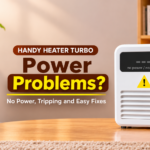
Handy Heater Turbo Power Problems: Causes and Easy Fixes
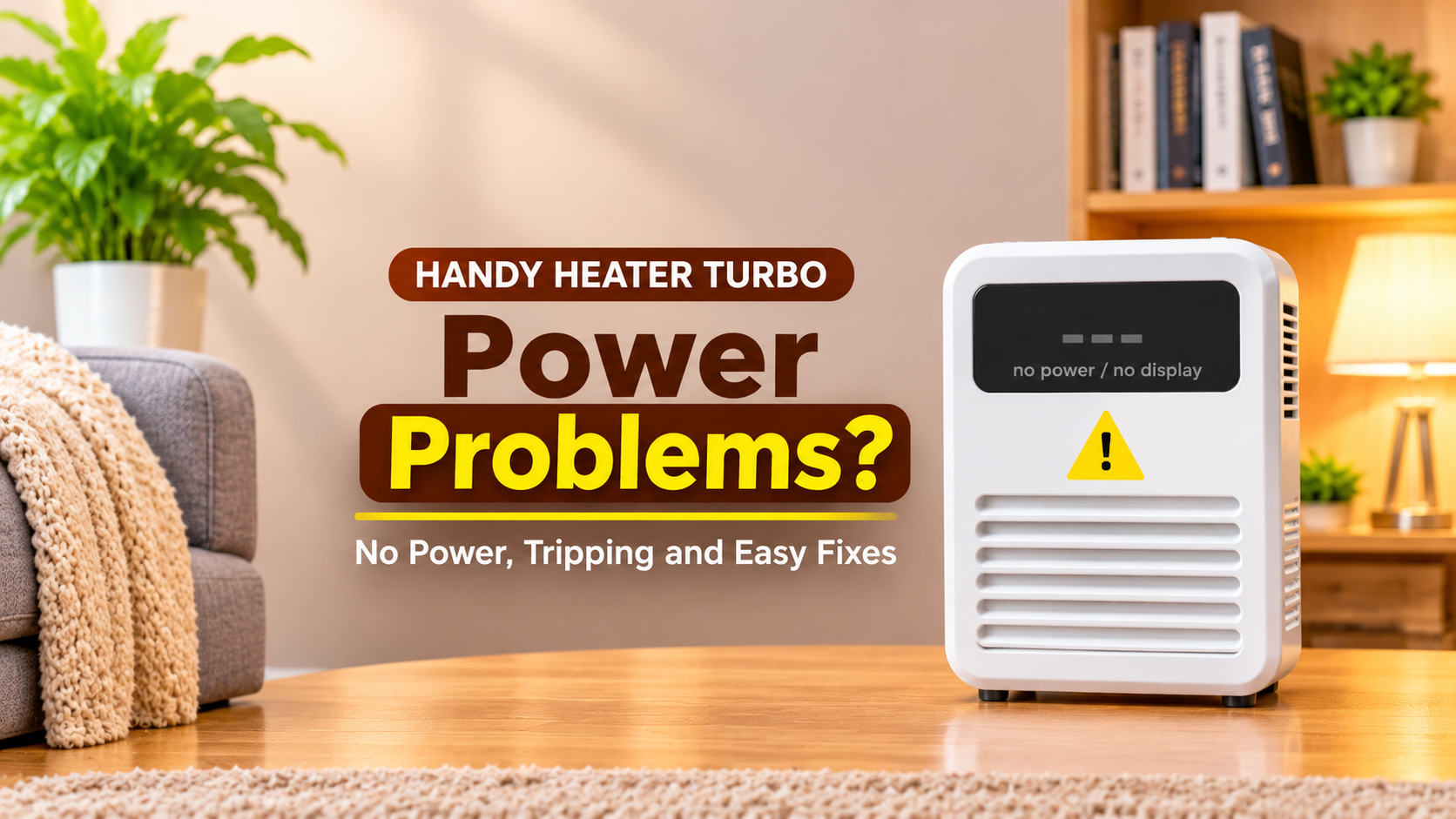
A heater that will not power on, loses power, or trips your breaker can be frustrating, especially when the weather turns cold. The Handy Heater Turbo is a simple device, so power issues usually come from the outlet, the circuit, or how the heater is plugged in rather than from a serious fault. This guide walks you through the most common power problems, how to find the cause, and what to do next.
How the Handy Heater Turbo Gets Its Power
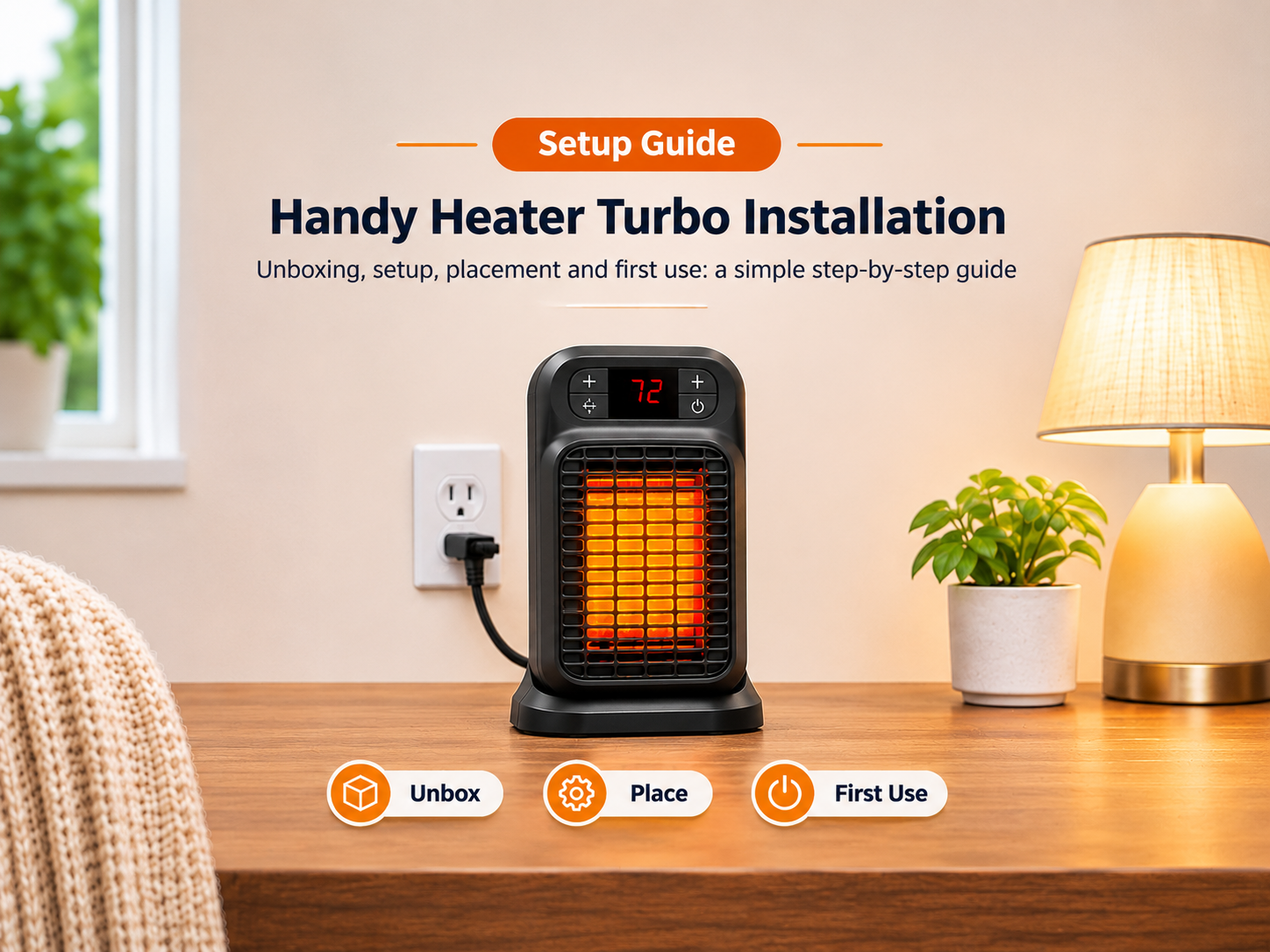
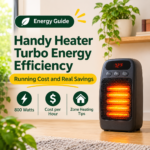
The Handy Heater Turbo (Turbo 800) is an 800-watt ceramic heater that plugs directly into a standard 120-volt wall outlet. At 800 watts it draws roughly 6.7 amps, which is significant for a small plug-in device. It also has a digital display, thermostat, 12-hour timer, and auto shut-off. Because it depends entirely on the outlet for both power and support, a weak outlet or overloaded circuit can quickly cause problems.
Common Power Problems at a Glance

Problem 1: The Heater Will Not Turn On
If the display stays dark and nothing happens, check these first:
- Dead outlet: plug in a lamp or phone charger to confirm the outlet has power.
- Tripped GFCI: outlets in bathrooms, kitchens, garages, and basements often have a reset button. Press it firmly.
- Tripped breaker: look at your breaker panel for a switch that is in the middle or off position and reset it.
- Loose plug: make sure the heater is pushed fully into the outlet.
- Switched outlet: some outlets are controlled by a wall switch. Make sure the switch is on.
Problem 2: The Heater Loses Power or Turns Off by Itself
Random shut-offs may come from the thermostat reaching its set temperature, the timer finishing, or overheat protection triggering because of blocked or dusty vents. They can also happen when the plug has a poor connection. Check the display, cancel the timer, clean the vents while unplugged and cool, and make sure the plug sits firmly.
Problem 3: The Heater Trips the Breaker
If your breaker trips whenever the heater runs, the circuit is probably overloaded. Many outlets in the same room share one circuit. A standard 15-amp circuit is rated for 1,800 watts, and a common safe guideline is to keep continuous loads below about 80 percent of that, or around 1,440 watts. An 800-watt heater uses more than half of that on its own.

To avoid tripping, run the heater on a circuit that is not shared with other high-power appliances such as hair dryers, kettles, microwaves, or another heater. If the breaker trips even when the heater is the only thing on the circuit, stop using it and have an electrician check the circuit, because there may be a wiring issue or a fault in the heater.
Problem 4: The Display Flickers or the Heater Resets
Flickering usually means an unstable connection. Common causes include a loose or worn outlet, a plug that does not sit fully, or fluctuating voltage in your home. If other lights or devices flicker too, the issue is likely your electrical supply and not the heater.
Problem 5: The Plug or Outlet Feels Hot
A warm plug is normal for a heater, but a plug or outlet that is hot to the touch, discoloured, or smells like burning is a serious warning. Unplug the heater immediately and stop using that outlet until an electrician has checked it. Loose or worn outlets are the most common cause because they create resistance and heat.
Problem 6: The Heater Will Not Stay Firmly in the Outlet
Because the heater hangs directly from the wall socket, a worn outlet can let it sag or tilt. Do not prop it up with objects or force it. Use a different outlet in better condition or have the worn one replaced.
Why You Should Never Use an Extension Cord or Power Strip
Extension cords and power strips are not designed for the continuous load of a heater. They can overheat, melt, or cause voltage drops that make the heater cut out. Always plug the Handy Heater Turbo directly into a wall outlet.
Step-by-Step Power Troubleshooting

- Unplug the heater and let it sit for a few minutes.
- Test the outlet with another device.
- Reset the GFCI or breaker if tripped.
- Inspect the plug and outlet for damage, discoloration, or looseness.
- Remove cords or strips and plug directly into the wall.
- Move to another circuit in a different room.
- Clean the vents if the heater is shutting off from heat.
- Contact the seller if the heater is still dead or keeps losing power.
Tips to Avoid Power Problems
- Use the heater on its own circuit when possible.
- Replace worn or loose outlets before using a plug-in heater.
- Keep the vents clean and the area in front of the heater clear.
- Do not run it alongside other high-wattage appliances.
- Inspect the plug and outlet regularly for heat marks.
- Do not leave it running unattended for long periods.
When to Stop Using the Heater
- You see sparks or smell burning.
- The plug, outlet, or heater casing is very hot or discoloured.
- The breaker trips repeatedly, even with nothing else on the circuit.
- The heater is cracked, damaged, or does not sit securely.
In these cases, unplug the heater and contact a qualified electrician or the seller. Do not try to open or repair the heater yourself.
Is It a Faulty Unit?
If the outlet is confirmed working, the plug is firm, there are no cords involved, the breaker is fine, and the heater still has no power or loses power repeatedly in a different room, the heater itself is likely defective. Some buyers report units that stopped working after a period of use. Keep your receipt, check the warranty, and contact the seller about a replacement or refund.
Frequently Asked Questions
Why is my Handy Heater Turbo not turning on?
Most often the outlet has no power, a GFCI or breaker has tripped, or the plug is not fully seated.
Why does it trip my breaker?
The circuit is likely overloaded by the heater and other appliances. Try a different circuit, or ask an electrician to check it.
Can I use it with an extension cord?
No. Plug it directly into the wall for safety and stable power.
Is it normal for the plug to be warm?
Slightly warm can be normal. Hot, discoloured, or smelly means stop using it.
Should I try to fix it myself?
You can troubleshoot the outlet and plug, but never open the heater. Contact the seller for faults.