

A heater is supposed to get hot, but not dangerously hot. If your room heater is overheating, you may notice a casing that is too hot to touch, a hot plug, repeated automatic shut-offs, a burning smell or a room that becomes uncomfortably warm. Overheating wears out the heater and, in the worst case, can start a fire, so it should never be ignored.
This guide explains why heaters overheat, nine common causes with fixes, how to tell normal heat from a problem, how much space a heater needs, and what to look for in a safer replacement.
Why Heater Overheating Matters
Overheating shortens a heater’s life, causes random shut-offs and weak heating, and can damage the cord, plug and surrounding furniture. Because heaters work at high temperatures, the margin between hot and dangerous is small, so every heater has several layers of protection built in.
9 Reasons Your Room Heater Is Overheating
1. Blocked vents or a clogged filter
Why it happens: Heaters need airflow to carry heat away from the element. Blocked vents or a dirty filter trap hot air inside, so internal temperatures rise and the casing gets much hotter than normal.
What to do: Unplug and let the heater cool for 30 minutes. Clean the vents, grille and filter with a vacuum and a soft brush, and keep all openings clear.
2. Heater covered or too close to objects
Why it happens: Clothes, towels, blankets, curtains, bedding and furniture around the heater block airflow and trap heat. Drying clothes on a heater is one of the most dangerous habits.
What to do: Move everything at least 3 feet (90 cm) away. Never cover a heater or dry clothes on or over it.
3. Dust buildup on the element and fan area
Why it happens: A layer of dust acts like insulation and burns on hot parts. It also blocks airflow and makes the element run hotter than designed.
What to do: Clean the heater at the start of each season and monthly during heavy use. Always unplug and let it cool first.
4. Weak, slow or failing fan
Why it happens: In fan heaters, the fan moves heat away from the element. A slow, noisy or failing fan lets heat build up, so the heater overheats and trips its safety cut-off.
What to do: If the fan runs slowly, grinds or stops, switch the heater off. The fan or motor needs professional repair, or the heater should be replaced.
5. Thermostat stuck on or faulty
Why it happens: A faulty thermostat may never switch the element off. The heater runs at full power continuously, so both the room and the heater get too hot.
What to do: If the heater never cycles off even when the room is warm, stop using it. The thermostat needs replacement by a qualified technician.
6. Heater too powerful or run non-stop
Why it happens: A high-wattage heater in a small room reaches temperature quickly, but running it on maximum for many hours stresses the parts and builds up heat.
What to do: Match the wattage to the room size, use the thermostat, and give the heater breaks. Do not run a heater at full power for long hours.
7. Loose plug, damaged cord or overloaded extension cord
Why it happens: Heaters draw a lot of current. A loose plug, worn socket, damaged cord or thin extension cord creates resistance, and the plug or cord can become dangerously hot.
What to do: Unplug carefully if the plug or cord feels hot. Replace damaged cords, avoid extension cords, and have worn sockets inspected.
8. Faulty overheat protection or aging internal parts
Why it happens: Overheat cut-offs and thermal fuses can fail with age. When the safety layer stops working, a heater can overheat with nothing to stop it.
What to do: Heaters older than 5 to 7 years, or any that overheat repeatedly, should be inspected or replaced. Never bypass or tape down a safety switch.
9. Soft surface, enclosed space or poor ventilation
Why it happens: Placing a heater on a carpet, bed or sofa can block base vents and trap heat. In a tiny, closed room, hot air cannot escape and the heater and room both overheat.
What to do: Use a flat, hard, level surface and keep air circulating in the room. Never use a heater inside a closed cupboard or small enclosed space.
How Much Space Does a Heater Need?
Most overheating problems and fires start with a heater that is too close to something that can burn. A clear zone on every side gives heat room to escape and keeps flammable items safe.
Hot or Overheating? How to Tell
What Is Normal for Each Heater Type?
| Heater Type | Normal Heat | Overheating Signs |
|---|---|---|
| Fan heater | Hot air outlet, warm casing | Very hot casing, slow fan, frequent shut-offs |
| Ceramic (PTC) heater | Hot front grille, warm body | Body too hot to touch, plastic smell |
| Oil-filled radiator | Hot fins, designed not to be touched | Hot plug, leaking oil, constant tripping |
| Convector heater | Warm top grille, warm panels | Very hot casing, thermostat never cycles |
| Halogen or quartz heater | Extremely hot tube and reflector | Hot plug, discolored housing, burning smell |
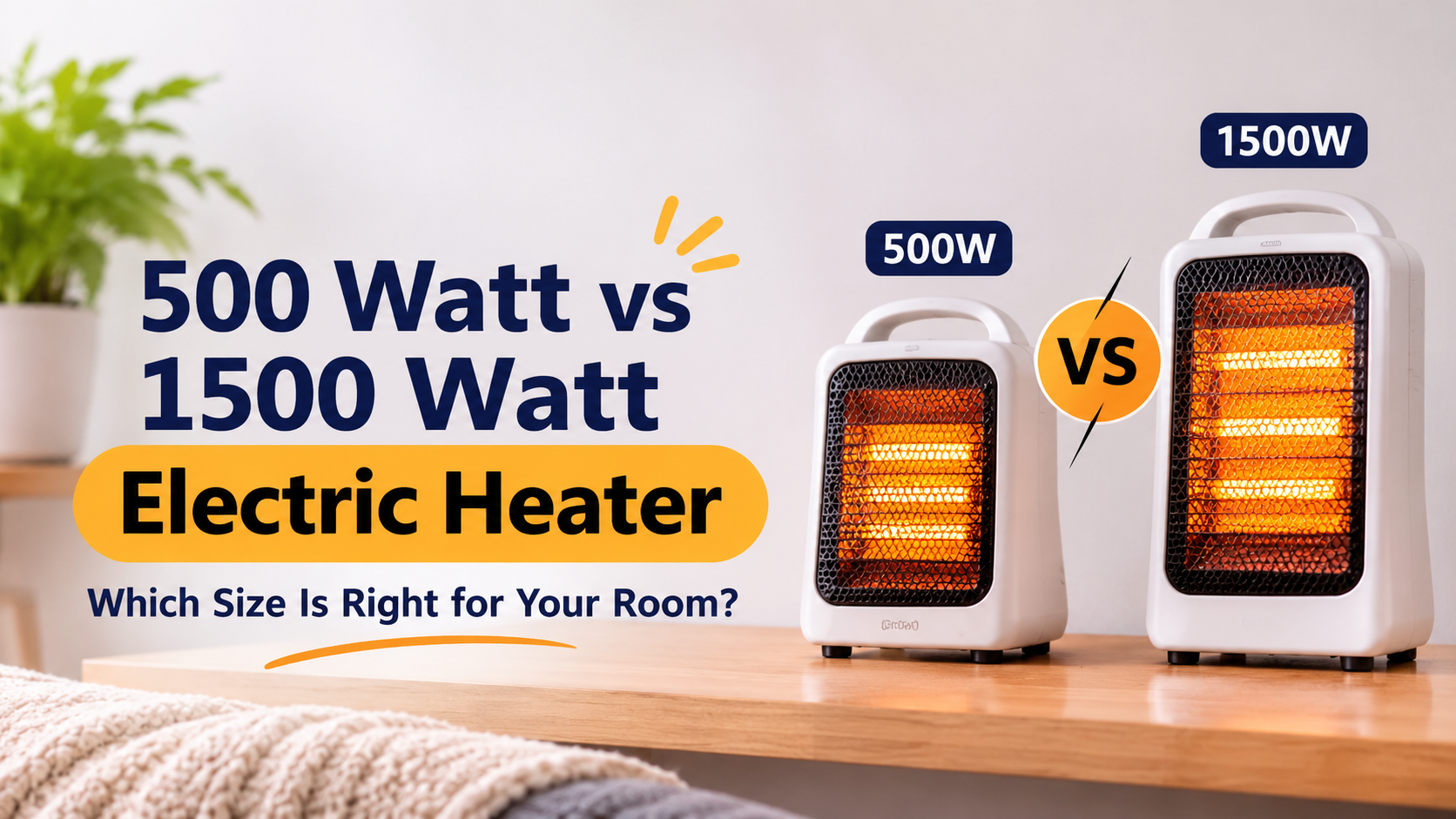
Is Your Heater Too Powerful for the Room?
Using a larger heater than needed does not make a room warmer faster in a safe way. It simply cycles harder. A good rule is about 10 watts per square foot.
| Room Size | Recommended Power |
|---|---|
| Up to 100 sq ft | 1000 W |
| 100 to 150 sq ft | 1500 W |
| 150 to 250 sq ft | 2000 W |
| Above 250 sq ft | 2500 W or more, or use two heaters |
Quick Symptom Diagnosis Table
| What You Notice | Likely Cause | What to Do |
|---|---|---|
| Heater shuts off after a few minutes | Overheat cut-off, blocked vents | Clean vents, give space, check the fan |
| Casing too hot to touch | Blocked airflow or thermostat fault | Unplug, clean, and have it checked if it repeats |
| Plug or cord hot | Loose plug, damaged cord or overloaded socket | Unplug carefully, repair or replace |
| Heater never switches off | Faulty thermostat | Stop using it and call a technician |
| Hot smell or discolored plastic | Internal overheating | Unplug and stop using the heater |
| Room becomes too hot | Heater too powerful or set too high | Lower the thermostat, use a timer |
Step-by-Step Fix
- Switch off and unplug. Let the heater cool for at least 30 minutes.
- Check the plug, cord and socket. Look for heat marks, discoloration, melting or a loose fit.
- Clear the surroundings. Keep 3 feet of free space and remove clothes, curtains and bedding.
- Clean the vents, grille and filter. Remove dust gently with a vacuum and soft brush.
- Check the fan. It should spin smoothly and freely without noise.
- Place it on a flat, hard surface. Avoid carpet, beds and sofas.
- Set the thermostat correctly. Do not run the heater on maximum non-stop.
- Test for 15 minutes while you watch it. Check for heat at the plug and any smell or shut-offs.
- Stop using it if it overheats again. Have it inspected or replace it.
DIY Fix or Professional Repair?
| You Can Do It Yourself | Leave to a Professional |
|---|---|
| Cleaning vents and filter | Repairing or replacing the fan motor |
| Clearing space around the heater | Replacing the thermostat or thermal fuse |
| Moving it to a flat, hard surface | Replacing a damaged cord or plug |
| Adjusting thermostat and timer | Any melted plastic, burning smell or hot plug |
Repair or Replace?
Replace the heater if it is more than 5 to 7 years old, has overheated repeatedly, has a melted or discolored plug, cord or casing, or if its safety switches no longer work reliably. For newer heaters under warranty, a repair of a fan or thermostat can be worthwhile, but safety must always come first.
What to Look for When Buying a Safer Room Heater
- Automatic overheat protection that switches the heater off if it gets too hot.
- Tip-over protection that cuts power when the heater falls.
- Accurate adjustable thermostat so it cycles instead of running at full power.
- Cool-touch or heat-resistant housing with flame-retardant materials.
- Thick, quality power cord and a snug plug.
- Correct wattage for your room size.
- Timer, trusted safety certification marks and a good warranty.
How to Prevent Overheating
- Clean vents and filters regularly, as dust is a major cause.
- Keep curtains, bedding, clothes and furniture at least 3 feet away.
- Plug directly into a wall socket and check the plug often.
- Use the thermostat and timer instead of running full power all day.
- Replace old heaters before safety parts wear out.
Frequently Asked Questions
Why does my room heater get so hot?
Heaters are designed to get hot, but excess heat in the casing is a sign of blocked vents, dust, a failing fan or a faulty thermostat. Clean it and check airflow first.
Why does my heater turn off when it gets too hot?
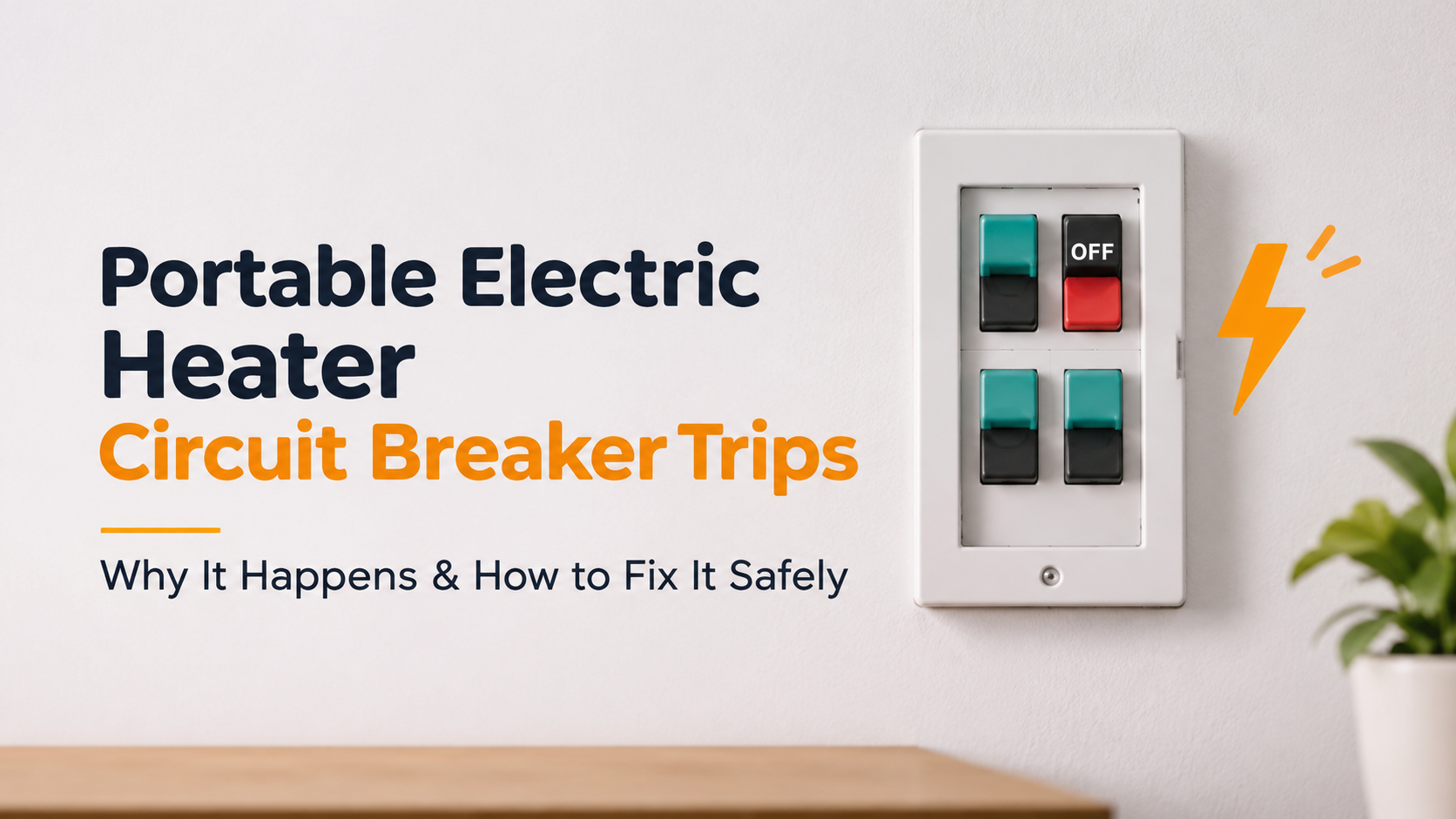
That is the overheat cut-off protecting the heater. Clean the vents, clear the space and check the fan, because repeated trips point to a real cause.
Can an overheating heater cause a fire?
Yes. Overheating can ignite nearby fabrics or furniture, melt plastic and damage wiring. That is why you should never ignore warning signs.
Is it safe to leave a heater on all night?
It is safest not to. If you must, use a heater with strong safety features and a timer, keep it clear of bedding and curtains, and never leave it running if it has overheated before.
Why is my heater plug getting hot?
A loose plug, worn socket, damaged cord or extension cord adds resistance and heat. Unplug it, stop using that socket and have the plug and socket inspected.
Can I reset an overheated heater?
Many heaters reset automatically after cooling, and some have a reset button. If it trips again and again, do not keep resetting it. Find and fix the cause or replace the heater.
Conclusion
When your room heater is overheating, act quickly and safely. Switch it off, unplug it, let it cool, clean the vents and clear a 3 foot zone around it. Most overheating comes from blocked airflow, dust or objects too close. If the plug, cord or casing is too hot, the heater keeps shutting off, or it smells of burning, stop using it and get it inspected or replaced. Choose a heater with reliable overheat and tip-over protection, and use it sensibly to stay warm and safe all winter.